Table of Contents
Open Table of Contents
Preface
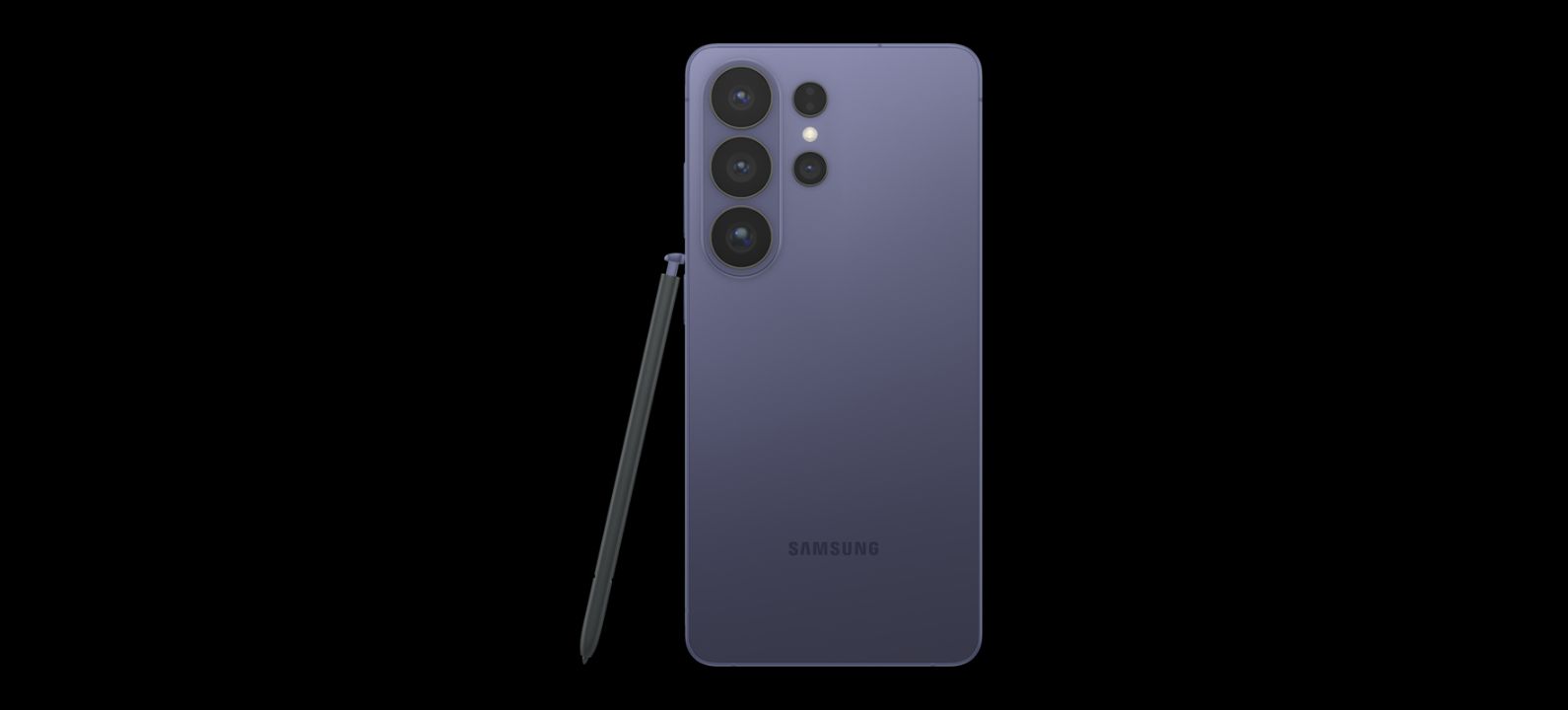
Samsung did not rebuild the camera system on the Galaxy S26 Ultra. The four-camera layout, the 200MP main sensor and the 5x zoom all return from the S25 Ultra. What changed is smaller and, for everyday shooting, probably more useful: two of the lenses now let in more light.
That makes the real question less “is it a revolution?” and more “is it a better camera than last year’s, and does it hold up against the best from Huawei, OPPO, vivo and Apple?” This guide is research-based. I have not shot with the phone myself, so everything below comes from Samsung’s published specs and the reviews from GSMArena, DXOMARK and Digital Camera World, with sources named where a claim leans on them.
What actually changed from the S25 Ultra
The upgrades land on two of the four cameras. The rest is carried over.
| Camera | Galaxy S26 Ultra | What changed vs S25 Ultra |
|---|---|---|
| Main | 200MP, f/1.4 | Wider aperture (was f/1.7) |
| Ultrawide | 50MP, f/1.9 | Same resolution and aperture |
| 3x telephoto | 10MP, f/2.4 | Same 10MP resolution and f/2.4 aperture; sensor-size reports differ |
| 5x telephoto | 50MP, f/2.9 | New ALoP lens design, wider aperture (was f/3.4 periscope) |
| Selfie | 12MP | Essentially unchanged |
Note on the 3x lens: Samsung’s spec page confirms the 10MP resolution and f/2.4 aperture but does not publish sensor dimensions. DXOMARK lists the S26 Ultra’s 3x sensor at 1/3.94”. PhoneArena and DPReview put the S25 Ultra’s at 1/3.52”, which would make it a small step down, but at least one other comparison lists the two phones as identical, so treat the sensor size as unconfirmed.
Main camera and low light
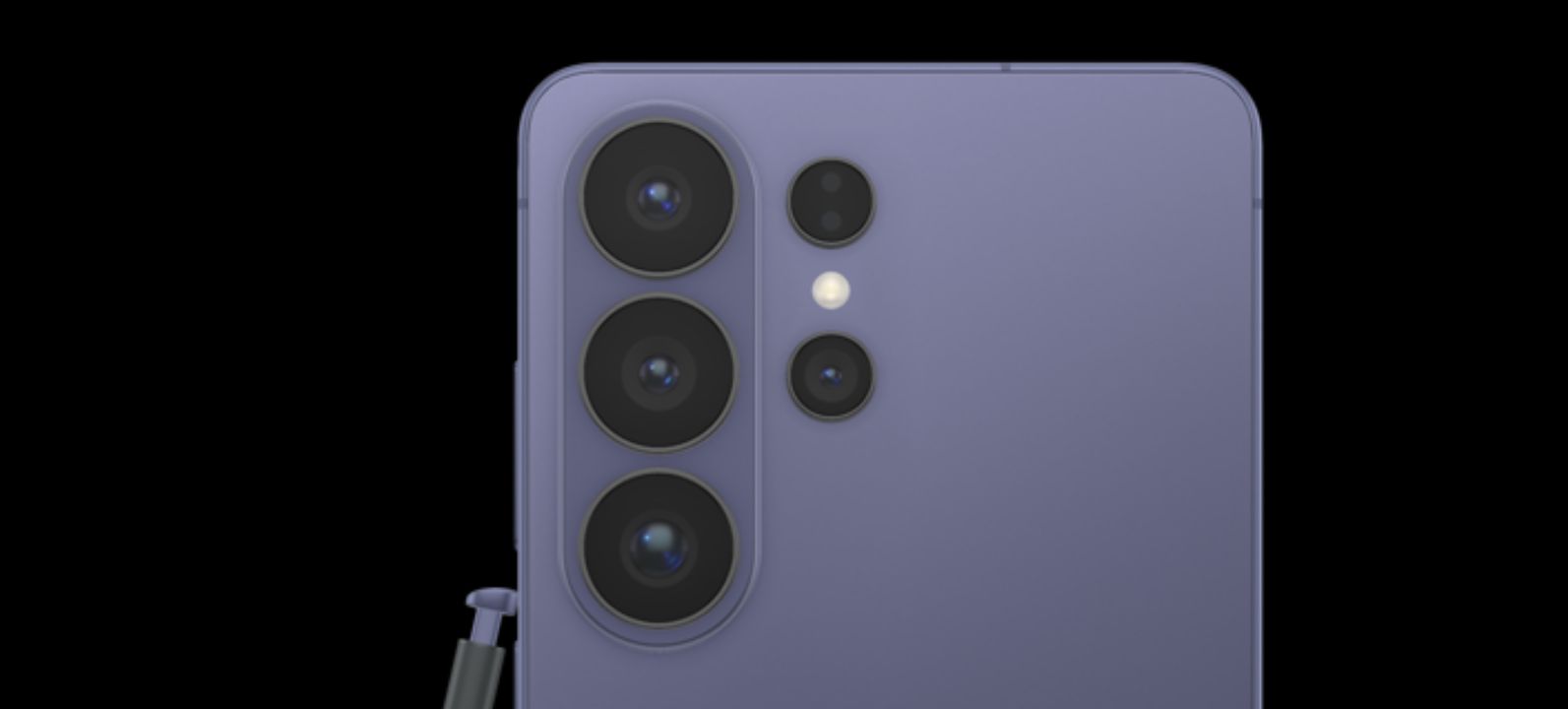
The f/1.7 to f/1.4 jump is the headline, and the evidence for it is fairly concrete. In GSMArena’s daylight comparison pairs, the S26 Ultra shot one frame at 1/180s and ISO 25, while the S25 Ultra needed ISO 80 for the same shutter speed. A lower ISO at the same shutter speed means a cleaner image, though part of that gap can come from how each phone meters the scene.
DXOMARK reached a similar conclusion. Its summary credits the wider aperture and a reworked image pipeline for visible low-light gains, with better detail and lower noise than the previous generation. In its sample comparison, the S26 Ultra kept white balance accurate where the S25 Ultra leaned slightly cold.
Photos still save at 12MP by default through pixel binning. The full 200MP mode is there, but it is a choice for bright scenes where you plan to crop hard, not a default you will want switched on all day.
Zoom: a brighter 5x lens, with a catch
Samsung kept the 3x and 5x pairing, but the 5x camera is not the same kind of lens as before. Teardowns showed that the S26 Ultra replaces the S25 Ultra’s folded periscope with an All Lenses on Prism (ALoP) assembly, which Samsung confirmed to SammyGuru. The aperture widens from f/3.4 to f/2.9, and that should help distant subjects in dim conditions.
The trade-off is close focusing. GSMArena lists the 5x camera’s minimum focus distance at 52cm, against 26cm on the S25 Ultra. For wildlife, stage shows or architecture you will probably never notice. For close-up subjects such as a plate of food or a product, you will need to step back or switch to the main camera and crop.
DXOMARK adds a caveat on image quality: telephoto noise is cleaner and colours are more accurate, but fine detail capture slipped slightly compared with the S25 Ultra, so the zoom score barely moved.
If you are weighing Samsung’s zoom against a far cheaper camera-focused phone, the OnePlus 15R camera review shows how much of the main-camera experience a lower price can still deliver, and where the gaps open up.
Video features worth knowing
Video tops out at 8K, with the usual Samsung split: 8K at 30fps for headline resolution, and 4K for smoother frame rates. Two additions matter more than the resolution race:
- Enhanced Nightography Video, which uses the wider main aperture to improve low-light clips.
- APV codec support, a first for a Galaxy phone, supports up to 8K at 30fps. It is built for editing, so footage holds its quality through repeated edits. Samsung offers two compression profiles: APV 422 HQ for the highest quality, and APV 422 LQ, which Samsung’s developer documentation says produces files about half the size. For scale, Samsung says 1080p at 30fps in APV 422 HQ needs about 1.5GB per minute, and the bitrates climb steeply at 4K and 8K. You can record straight to external USB storage; for 8K at 30fps Samsung asks for a drive with at least 400MB/s write speed and a USB 3.0 or later cable.
Horizontal Lock, which keeps the horizon level as you tilt the phone, now runs across the whole S26 line.
Long 8K sessions are hard on batteries, so it is worth reading how the phone behaves day to day in our Galaxy S26 battery life guide. Samsung’s wired charging is also modest next to the speeds some rivals chase; our list of vivo phones that support 90W fast charging shows the other end of that spectrum.
Where it still falls short
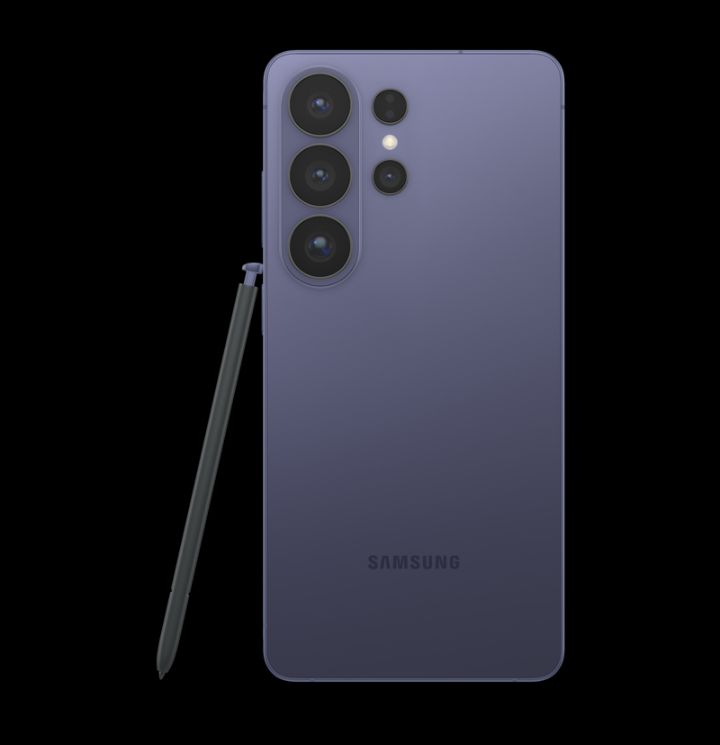
GSMArena’s verdict is blunt: the camera upgrades are modest, and brands like Xiaomi are pushing harder on sensor size and zoom. CNET made a similar point at launch, noting that the spec sheet reads much like last year’s. Digital Camera World rated the phone as a whole above its camera, describing the camera experience as mixed even with the improvements.
DXOMARK’s own list of weaknesses is more specific, and it is where the S26 Ultra’s limits show most clearly:
- Exposure and colour instability in various conditions, with brightness that can shift between consecutive shots in low-light and backlit scenes.
- Background noise in indoor and low-light portraits, plus a loss of fine facial detail in real-life scenes.
- Autofocus failures on the ultrawide in low light, which drag its sharpness down.
- Slow low-light capture. In the sharpness and timing section of its full write-up, DXOMARK reports a lab-measured delay of 0.5 to 1.5 seconds between shutter press and capture in low light, which can mean missed shots.
- Video autofocus and texture, with slow adaptation to abrupt focus changes and a clear loss of fine detail when zooming in video compared with the S25 Ultra. DXOMARK expects Samsung may improve the texture tuning through firmware.
DXOMARK gives the phone an overall camera score of 157, 22nd in its global ranking. In its category tables, other phones lead where the S26 Ultra is weakest:
| DXOMARK category | Galaxy S26 Ultra | Category leader listed |
|---|---|---|
| Photo, main camera | 167 | Huawei Pura 80 Ultra (184) |
| Photo, telephoto | 141 | OPPO Find X9 Ultra (173) |
| Photo, ultrawide | 139 | vivo X300 Ultra (175) |
| Video, main camera | 160 | Apple iPhone 18 Pro (189) |
These scores are DXOMARK’s own, and leaders change as new phones are tested, so read them as a snapshot taken at the time of the review.
None of this makes it a weak camera. It makes it a very good one that is not the clear leader in its class, which matters when the price sits at the top of the market.
Who the camera suits
| If you care about | Fit | Why |
|---|---|---|
| Low-light photos | Strong | f/1.4 main lens, cleaner results than the S25 Ultra |
| Mid-range zoom | Good | 5x telephoto with a brighter f/2.9 lens |
| Close-up telephoto shots | Weaker | 5x minimum focus distance doubled to 52cm |
| Social video | Strong | Reliable stabilisation and Samsung’s video modes |
| Professional video editing | Niche | APV codec, but expect large files |
| Longest possible zoom | Average | Rivals reach further |
| Natural, less processed colour | Mixed | Samsung’s processing is still a matter of taste |
Is it worth upgrading?
From the S25 Ultra, the camera alone is a thin reason to upgrade. From a phone two or three generations old, the low-light jump and 5x improvements are more noticeable. If you are buying for software support as well, check how long Samsung commits to updates in our Samsung update policy guide. Anyone watching their budget can also compare cheaper Galaxy options in the best Samsung 5G phones under $300 guide, and the TECNO Pova 8 vs Pova 7 comparison is a useful look at how much a generation change shifts on a budget phone.
FAQ
Does the Galaxy S26 Ultra have a better camera than the S25 Ultra? Yes, modestly. The main lens aperture widened from f/1.7 to f/1.4, and the 5x telephoto moved to a new ALoP design with a wider f/2.9 aperture. Independent reviewers report cleaner low-light results, while the ultrawide and selfie hardware stay the same and the 3x lens uses a slightly smaller sensor.
How many megapixels is the S26 Ultra main camera? 200MP. Photos save at 12MP by default, and the full 200MP mode is optional.
Can the S26 Ultra record 8K video? Yes, at 30fps. It also supports the APV professional codec, a first for a Galaxy phone, with high-quality and storage-optimised profiles and an option to record to external USB storage.
Does the S26 Ultra still have a periscope zoom lens? Not in the traditional sense. Teardowns showed the 5x camera uses an All Lenses on Prism (ALoP) design, which Samsung confirmed to SammyGuru. It brings a wider f/2.9 aperture, but the minimum focus distance rises from 26cm to 52cm.
Is the S26 Ultra the best camera phone in 2026? Not clearly. DXOMARK describes a strong performance and a real step up from the S25 Ultra, but it scores the phone 157 overall (22nd in its global ranking) and lists rivals ahead in the main, telephoto and ultrawide categories. Several reviewers also say competing brands are moving faster on hardware.
Do the standard Galaxy S26 and S26 Plus get the same camera upgrades? No. Reporting from PhoneArena and Tom’s Guide says the camera hardware upgrades are exclusive to the Ultra, while the S26 and S26 Plus rely on the same hardware as before and gain software features.
Is the 200MP mode worth using? Only in bright light, and mainly when you expect to crop. In everyday use the default 12MP output is the sensible choice.
Sources
- GSMArena: Samsung Galaxy S26 Ultra review, camera page
- DXOMARK: Samsung Galaxy S26 Ultra camera test
- Digital Camera World: Samsung Galaxy S26 Ultra review
- Tom’s Guide: Galaxy S26 cameras
- PhoneArena: Galaxy S26 camera guide
- PhoneArena: Galaxy S26 Ultra vs S25 Ultra spec comparison
- DPReview: Galaxy S26 Ultra teardown and camera hardware
- SamMobile: Galaxy S26 Ultra’s zoom camera doesn’t use a periscope lens
- GSMArena: The Galaxy S26 Ultra doesn’t have a periscope
- Samsung Newsroom Canada: APV codec on Galaxy S26 Ultra
- Samsung Developer: APV codec documentation
- Samsung Canada: Galaxy S26 Ultra official specifications

Comments 0
Leave a comment